Find Your Fit: Sunglasses Designed for Every Sport
If you’ve ever squinted your way through a ride, jog or rally, you’ll know how important sport sunglasses are – they’re a piece of essential kit. The right pair can improve your performance, protect your eyes, and keep you focused on what you’re doing. The wrong pair? Distracting at best, dangerous at worst.
But not all sports ask the same things from your eyewear. Whether you’re powering up a trail, sprinting through city streets or spending a day on the water, your sunglasses need to work as hard as you do. Here’s what to look out for, sport by sport.
For Road Cyclists: Secure, Streamlined and Built for Speed
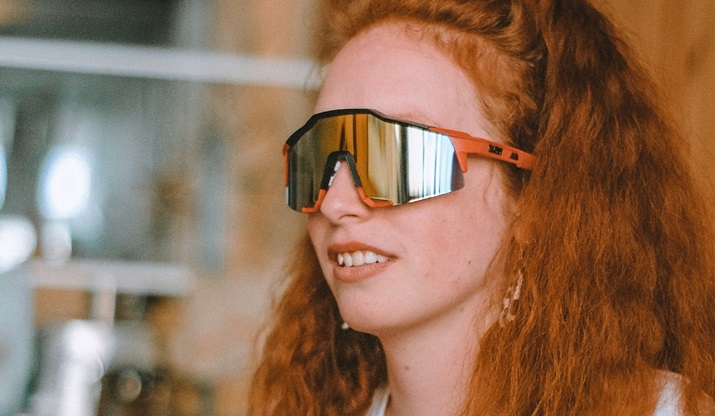
Cycling eyewear needs to do more than just block the sun. It should shield you from wind, dust, and flying debris – without interrupting your peripheral vision. That’s why wraparound styles are so popular. They hug your face, reduce drag, and give full coverage, all while staying firmly in place under your helmet.
Weight is another factor. Lighter frames reduce pressure on your nose and ears during long rides. And consider lenses that adapt to light conditions or enhance contrast so you can spot potholes, wet patches or rough tarmac ahead.
For Runners: No Bounce, No Fog, No Fuss
Running with badly fitting sunglasses is a fast track to frustration. You need frames that stay put, lenses that don’t fog, and materials that handle sweat without slipping. Look for glasses with rubber grips on the nose and temples, and a design that doesn’t bounce with each stride.
Ventilation matters too, especially if you’re running in cool weather or humid conditions. Some models use small vents or clever cut-outs to stop fogging without letting in too much air. Lenses should offer full UV protection, and many runners find lighter tints or clear lenses with UV filters helpful on cloudy days or evening runs.
For Water Sports: Polarised and Practical
Glare is a real issue when you’re near water. Whether you’re sailing, paddleboarding or just spending the day at the beach, polarised lenses are the gold standard. They cut through reflections and help you see clearly through the surface – useful when you’re watching for waves, obstacles, or changes in depth.
Frames designed for water should be grippy and secure. Some are made to float, which is worth considering if you’re out in open water. Hydrophobic lens coatings are another bonus, helping to repel salt spray and water droplets so your vision stays sharp.
For Snow: High Contrast and Full Coverage
Snow reflects sunlight like almost nothing else, making proper eyewear crucial for skiing and snowboarding. Dark tints and mirror finishes can help reduce glare, while some lenses are specially tuned to highlight changes in snow texture or terrain.
Coverage is key. You want something that protects against wind, snow flurries and sun from all angles. Wraparound sunglasses or goggles with foam padding can give a snug, protective fit. If you often switch between conditions – say, shaded tree runs and open pistes – interchangeable lenses or photochromic options can be worth the investment.
For Golf: Focus and Clarity
Golf might seem low impact, but it’s visually demanding. Good sunglasses help reduce eye strain, especially on bright days, and make it easier to read subtle changes in the green. Look for lenses that enhance contrast – usually in amber, brown or rose tints – as they help define the shape and slope of the course.
Frame-wise, go for something light but secure. Semi-rimless styles are popular among golfers because they give you a clear, unobstructed view of the ball and turf. Comfort is important too, especially if you’re out for several hours.
For Hiking and Climbing: Rugged, Reliable and Protective
Outdoor adventures demand sunglasses that can cope with sweat, movement and the occasional bump or knock. Go for tough, impact-resistant materials and frames with rubber inserts for grip. Side shields can be a great addition for high-altitude hikes, where light comes at you from every direction.
If you’re heading up into the mountains, don’t underestimate the intensity of UV exposure. At altitude, thinner air offers less protection from the sun, so you’ll want lenses that block 100% of UV rays. Photochromic lenses are a smart choice for trails that move between forest shade and open ridgelines.
The Right Fit Makes All the Difference
No matter what sport you’re into, the goal is the same: eyewear that helps rather than hinders. That means thinking about weight, grip, lens performance, and durability – not just what looks good in a photo.
And while you might be tempted to stick with one all-purpose pair, the demands of each sport can be surprisingly different. What works brilliantly for a sunny beach run might fog up on a cold mountain trail. If you’re active across different settings, it’s worth considering more than one option.
In the end, good sports sunglasses become part of your routine – something you reach for without thinking, because you trust them to do the job. They protect your vision, sharpen your focus, and let you concentrate on your performance, not on what’s sliding down your nose.
So whatever you’re training for – or just enjoying – find the pair that fits both your face and your sport. Your eyes will thank you.