Cruise Trip
How Weather Conditions Can Influence Your Cruise Travel Experience
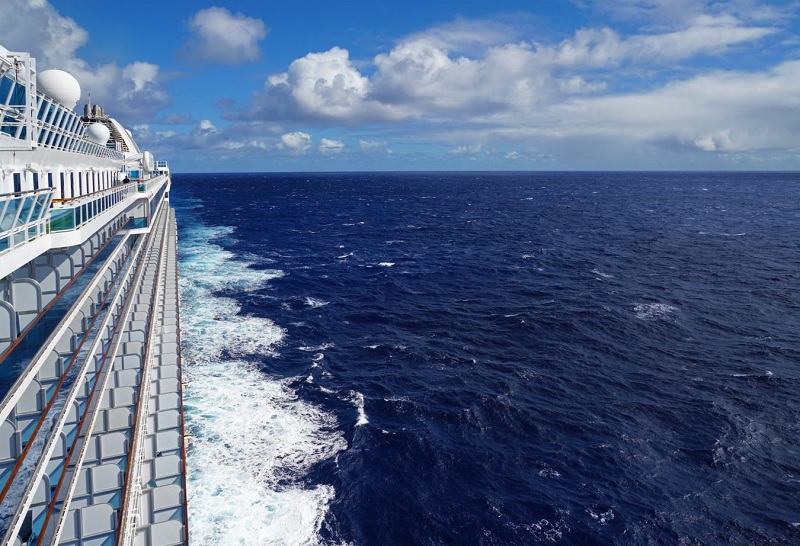
Booking a cruise often brings up visions of perfectly flat, crystal-clear waters and endless sunshine. The reality of maritime travel is that the ocean dictates the terms, and the weather is the ultimate cruise director. From slight itinerary tweaks to complete route overhauls, meteorological conditions play a foundational role in how a voyage unfolds. Understanding these dynamics helps travelers manage expectations and navigate the inevitable surprises that come with vacationing on the open water.
The Ripple Effect of High Winds on Itineraries
While rain is a visible nuisance, wind is often the silent disruptor of cruise schedules. Modern cruise ships have a massive surface area above the waterline. When strong crosswinds hit this towering profile, it acts almost like a sail. This becomes particularly problematic when navigating narrow channels or attempting to dock.
Ports that require tender boats—small vessels that ferry passengers from the ship to the shore—are highly susceptible to wind cancellations. If the swells created by the wind make it unsafe to load passengers onto the tenders, the captain will bypass the port entirely. Even deep-water piers are not immune. High winds can push a ship against a concrete pier with dangerous force, forcing a delayed arrival or an aborted docking attempt. Passengers might wake up expecting the beaches of Grand Cayman only to find themselves enjoying an unexpected sea day because the wind profile made the approach mathematically unsafe.
Rough Seas and Passenger Comfort
The most direct way weather interacts with the passenger experience is through the physical movement of the ship. Ocean swells are generated by distant weather systems, meaning a ship can experience a rocky ride even under perfectly clear skies.
Modern Stabilizers vs. Mother Nature
Today’s mega-ships are engineered with sophisticated gyroscopic stabilizers—large underwater fins that extend from the hull to reduce side-to-side rolling motion by up to ninety percent. These marvels of engineering make the ship feel like solid ground most of the time. However, stabilizers are highly effective against rolling, but they cannot completely prevent pitching, which is the up-and-down movement of the bow and stern when slicing through oncoming waves.
When sea conditions deteriorate, the captain may slow the vessel to minimize the impact of the waves, which can subsequently delay the arrival at the next port. For travelers prone to motion sickness, these atmospheric pressure systems dictate whether the journey feels like a gentle rock or a jarring ride. Booking a mid-ship cabin on a lower deck remains the most effective strategy for minimizing the sensation of this movement, as this location serves as the natural fulcrum of the vessel.
Tropical Storms and Hurricane Season Dynamics
Sailing during the Atlantic hurricane season, which runs from June through November, offers significant financial discounts but requires a highly flexible mindset. The cruise industry operates on a strict safety-first protocol, and ships are equipped with state-of-the-art meteorological tracking systems that rival land-based weather centers.
The Strategy of Evasion
Cruise ships do not sail through hurricanes. They are mobile assets capable of moving faster than most tropical systems. If a storm is brewing in the Eastern Caribbean, a ship scheduled to visit St. Thomas and San Juan might abruptly pivot to a Western Caribbean itinerary, swapping the original stops for Cozumel and Roatan. The captain’s primary directive is to find clear air and calm seas. While this evasive maneuvering guarantees passenger safety, it completely alters the travel experience. A traveler who packed specifically for a rainforest hike in Puerto Rico might have to adjust to exploring Mayan ruins in Mexico instead.
Fog and Visibility Constraints
Fog is a highly localized weather event that causes massive logistical headaches for both cruise lines and passengers. Thick sea fog drastically reduces visibility, prompting port authorities to close shipping channels to all inbound and outbound traffic. Ports located in areas prone to seasonal temperature inversions, such as Galveston, Tampa, and sometimes Seattle, frequently experience these closures.
When fog rolls in on turnaround day—the day one group of passengers disembarks and another boards—the delays cascade. A ship scheduled to dock at dawn might be forced to anchor offshore until the midday sun burns off the mist. This leaves embarking passengers waiting in crowded terminals for hours and forces disembarking passengers to frantically rebook missed flights. Because these events are unpredictable, building a generous buffer of time between docking and flying is the only effective defense against fog-related disruptions.
Rain and Onshore Excursions
Precipitation rarely forces a ship to alter its course, but it heavily dictates what happens once the gangway is lowered. Heavy rain transforms the port experience, turning sought-after outdoor adventures into logistical liabilities.
When you book excursions directly through the cruise line, you gain a layer of financial protection against the weather. If a torrential downpour makes a zip-lining course unsafe or turns a snorkeling lagoon into a murky mess, the cruise line will automatically cancel the operation and issue a full refund to your onboard account.
Conversely, travelers who book through independent third-party operators face a different reality. Local vendors have varying cancellation policies regarding inclement weather. A brief tropical shower might not trigger a refund from a private catamaran operator, leaving passengers to choose between taking a soggy ride or forfeiting their money. Additionally, heavy rain can wash out local dirt roads in more remote ports, making transport back to the ship difficult and increasing the risk of missing the vessel’s departure.
Temperature Swings and Deck Activities
The sprawling top decks of modern cruise ships are heavily dependent on cooperative weather. When unexpected cold fronts push through, or when sailing in inherently volatile regions like Alaska or the Norwegian Fjords, the outdoor ambiance shifts dramatically.
High winds and dropping temperatures force the immediate closure of upper-deck attractions. Water slides are drained, ropes courses are secured, and outdoor theater screens go dark. The entire population of a mega-ship is suddenly pushed into the interior public spaces. This sudden indoor migration changes the dynamic of the vessel, making atriums, casinos, and indoor lounges feel significantly more crowded than they would on a sunny sea day. A cruise ship operates best when its population is dispersed, and inclement weather actively prevents that natural flow.
Strategies for Weather-Proofing Your Cruise
You cannot control the barometric pressure, but you can control your preparation. The most vital asset to bring on any sailing is a flexible disposition. A port cancellation is not a ruined vacation; it is an opportunity to enjoy an empty spa, secure a prime seat by the indoor pool, or explore uncrowded onboard dining venues that you might have otherwise ignored.
Investing in comprehensive travel insurance is non-negotiable for mitigating weather risks. A robust policy covers trip interruptions, missed connections due to fog delays, and independent excursions that refuse refunds after a rainout. Furthermore, smart packing plays a crucial role. Layering is essential, even in tropical destinations, as the ship’s air conditioning combined with a damp ocean breeze can feel surprisingly frigid. Packing a lightweight, waterproof windbreaker ensures that a passing squall will not derail your deck walk or port exploration.
The maritime environment is inherently wild and unpredictable. Cruise lines dedicate millions of dollars to technology designed to outmaneuver bad weather, but the ocean always holds the final veto. Approaching your voyage with an understanding of these weather dynamics ensures that when the winds shift or the fog rolls in, your enjoyment of the journey remains completely intact.


