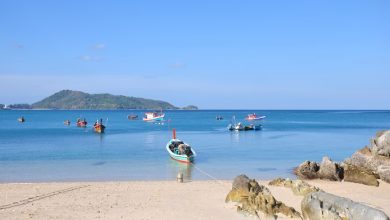
Thailand Beyond the Beaches: Temples, Markets and Cultural Attractions
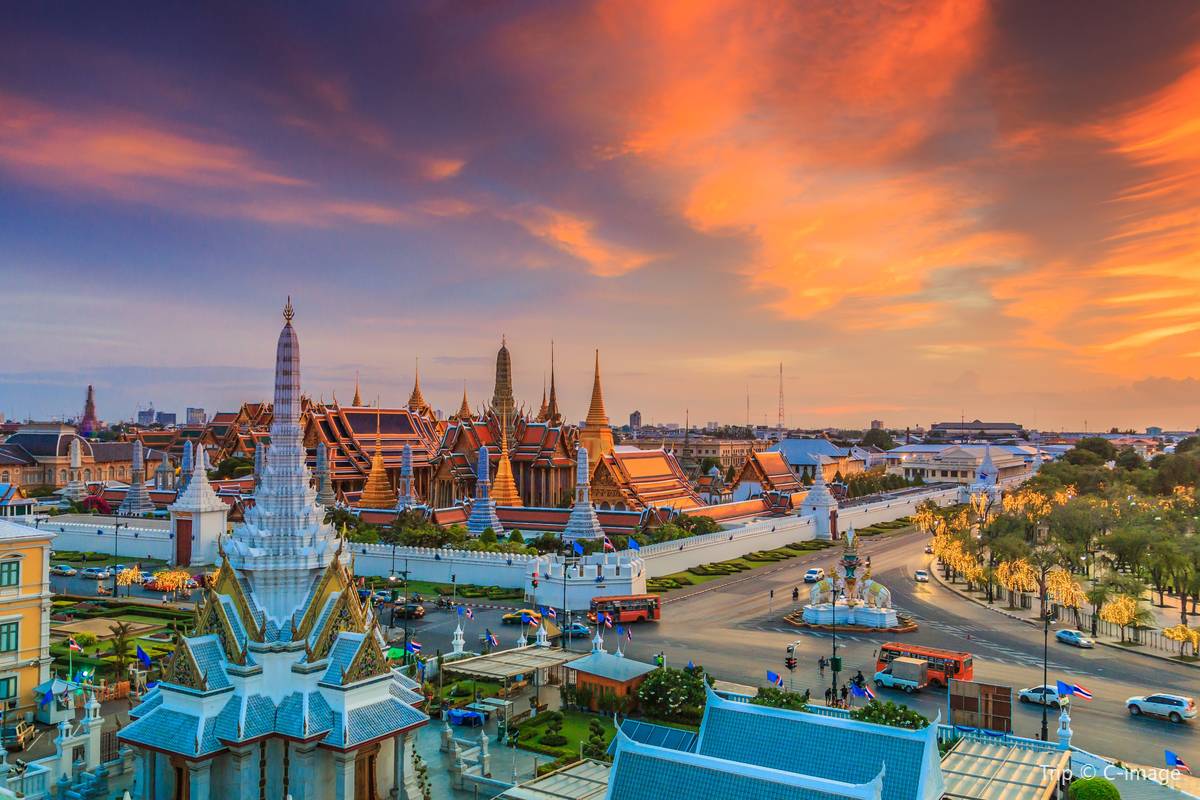
Thailand is often associated with tropical beaches and island holidays, but its cultural heritage, historic cities, traditional markets, and regional cuisine offer equally rewarding experiences. A Thailand package that includes cultural attractions alongside popular coastal destinations allows travellers to discover more than the country’s scenic shoreline. From ornate temples in Bangkok to the historic streets of Chiang Mai, Thailand provides opportunities to understand local traditions, architecture, and everyday life.
Explore Bangkok’s Historic Temples
Bangkok offers an excellent introduction to Thai religious architecture and cultural traditions. Wat Pho is known for its reclining Buddha, while Wat Arun stands out for its distinctive riverside setting and decorative architectural details.
The Grand Palace complex is another major attraction, with impressive buildings and important cultural significance. Visitors should check current access arrangements and follow the dress code, which generally requires clothing that covers the shoulders and knees.
When visiting religious sites, behave respectfully, follow photography rules, and observe instructions provided by staff. Taking time to learn about a temple’s history can make the visit more meaningful than simply photographing its architecture.
Discover Chiang Mai’s Traditional Character
Chiang Mai, in northern Thailand, offers a slower pace than Bangkok and is known for historic temples, traditional markets, and local crafts.
The Old City contains numerous religious landmarks and traditional streets that can be explored on foot. Wat Phra Singh and Wat Chedi Luang are among the notable temples visitors may wish to include in their sightseeing plans.
Chiang Mai is also a destination for regional cuisine. Travellers can sample northern Thai specialities such as khao soi, a curry noodle dish, and explore local cafés and markets.
If you plan to visit mountain areas outside the city, consider arranging a guided excursion with a responsible operator.
Experience Thailand’s Traditional Markets
Markets offer a glimpse into the country’s food culture, craftsmanship, and daily routines. Depending on the destination and day of the week, visitors may encounter fresh produce, prepared food, clothing, handmade souvenirs, and locally produced goods.
Bangkok’s Chatuchak Weekend Market is known for its extensive selection of products, while Chiang Mai’s night markets are popular for food, handicrafts, and shopping.
Markets can become crowded, so keep valuables secure and agree on a meeting point if travelling with a group. Ask permission before photographing vendors or customers, and confirm prices before purchasing items where prices are not displayed.
Learn About Thai Cuisine
Thai food is an essential part of the country’s cultural identity. Regional dishes vary in flavour and preparation, with ingredients such as herbs, chilli, coconut milk, rice, and fresh vegetables featuring prominently.
Popular dishes include pad Thai, green curry, tom yum soup, and mango sticky rice. Northern Thailand offers distinctive specialities, while southern cuisine often features different spice profiles and seafood preparations.
A cooking class can provide insight into ingredient selection and traditional preparation techniques. Food tours may also help travellers discover neighbourhood restaurants and understand the stories behind regional dishes.
If you have allergies or dietary restrictions, communicate them clearly before ordering.
Visit Ayutthaya for Historical Insights
Ayutthaya, located north of Bangkok, is a worthwhile destination for travellers interested in history. The former Siamese capital is known for its archaeological remains, historic temple complexes, and brick stupas.
A day trip can introduce visitors to the city’s former significance as a political and trading centre. Guided tours can help explain the history of the ruins and the development of the former capital.
Wear comfortable walking shoes and carry water, particularly during warmer months. Check attraction opening hours and transport arrangements before travelling.
Experience Thai Festivals and Traditions
Thailand’s festivals provide opportunities to learn about local beliefs, celebrations, and community life. Songkran, associated with the Thai New Year, is widely recognised for its water celebrations and family traditions.
Loy Krathong is another well-known festival during which people may float decorated offerings on water. Customs and events differ by location, and dates can vary from year to year.
If planning a trip around a festival, confirm the local schedule, accommodation availability, and any public transport changes.
Travel Responsibly
Cultural tourism is most rewarding when visitors respect local communities. Follow temple etiquette, dress appropriately at religious sites, and seek permission before taking photographs of people.
Choose responsible tour operators, avoid activities involving animal mistreatment, and consider purchasing crafts from local artisans. These choices can help make your holiday more respectful and beneficial to the communities you visit.
Conclusion
Thailand’s appeal extends far beyond its beaches, encompassing historic temples, traditional markets, regional food, and fascinating cultural traditions. Including Bangkok, Chiang Mai, and Ayutthaya in your itinerary can provide a richer understanding of the country’s heritage. A well-planned Thailand cultural tour offers travellers an opportunity to experience local customs, explore historical landmarks, and discover the traditions that make the destination distinctive.