Travel
Co-Living Spaces Around the Globe: The New Way to Work and Travel
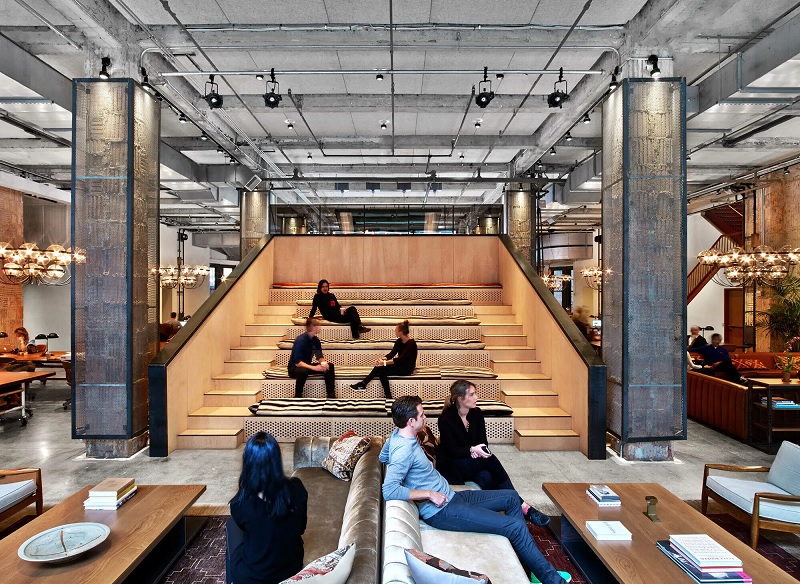
The romanticized image of a solitary professional typing on a laptop at a beachside cafe has officially expired. While the desire for location independence has skyrocketed over the past decade, the practical reality of executing that lifestyle has fundamentally shifted. Remote workers, freelance creatives, and startup founders have collectively realized that piecing together unstable cafe Wi-Fi and isolating short-term apartment rentals is a recipe for professional burnout. In response to this friction, the global real estate and hospitality markets have birthed a highly sophisticated solution: the modern co-living space.
Co-living is no longer a fringe concept reserved for cash-strapped backpackers willing to share bunk beds. Today, it represents a premium, multi-billion-dollar industry designed specifically for location-independent professionals. By merging high-end residential accommodations with enterprise-grade coworking facilities and curated social communities, these spaces are completely redefining how we approach both career development and international travel.
The Evolution of the Digital Nomad Infrastructure
In the early days of the remote work boom, professionals traveling the globe faced a stark choice. They could either book a traditional hotel, which offered reliability but lacked kitchen facilities and community, or they could rent a short-term apartment, which provided domestic comforts but often led to profound social isolation. Neither option was built for productivity. Dining room tables were not designed for eight-hour workdays, and residential internet connections routinely collapsed during critical video conferences.
Co-living emerged to bridge this exact infrastructure gap. Property developers realized that by standardizing the work environment and centralizing social interactions, they could offer a turnkey lifestyle for the modern nomad. You simply arrive with your luggage, and the entire infrastructure required to live, work, and socialize is immediately available. There is no setting up utility accounts, no negotiating with internet providers in a foreign language, and no hunting for a quiet place to take a client call.
Core Pillars of a Premium Co-Living Experience
Not all shared accommodations qualify as professional co-living spaces. To meet the demands of serious remote workers who are managing careers on the road, a facility must successfully integrate three critical pillars.
Enterprise-Grade Connectivity
For a location-independent professional, internet access is not an amenity; it is oxygen. Premium co-living operators understand that a single dropped call can cost a resident a major contract. Therefore, these spaces invest heavily in enterprise-grade network infrastructure. This includes dual-provider fiber optic connections, commercial routers, and heavy-duty backup generators to ensure that residents remain online even during regional power grid failures.
Purpose-Built Workspaces
The distinction between living space and working space is vital for psychological well-being. High-quality co-living environments feature dedicated coworking floors that rival the corporate offices of major tech firms. Residents expect ergonomic seating, standing desks, external monitors, and soundproof phone booths for confidential meetings. By keeping the workspace separate from the sleeping quarters, residents can physically and mentally log off at the end of the day, mitigating the creeping exhaustion that often plagues remote workers.
Intentional Community Design
Perhaps the most significant value proposition of co-living is the built-in community. Loneliness is the most frequently cited challenge among digital nomads. Co-living actively combats this by employing dedicated community managers whose sole job is to facilitate organic networking and socialization. This goes far beyond generic mixers. Expect structured mastermind groups, peer-to-peer skill-sharing workshops, family-style dinners, and weekend excursions. You are not just renting a room; you are buying immediate access to a curated network of ambitious, like-minded professionals.
The Economic Advantages of the Co-Living Model
At first glance, the monthly invoice for a premium co-living space can appear steep, especially in high-demand international hubs. However, when you deconstruct the actual cost of living and working abroad, the financial logic becomes undeniably clear.
When navigating the traditional short-term rental market, you are subjected to an array of hidden premiums. Landlords charge exorbitant rates for flexibility, platforms extract hefty service fees, and security deposits are routinely held up. Furthermore, piecing together a productive life requires additional subscriptions: a separate coworking membership, a local gym pass, and the daily transportation costs of commuting between your apartment, the office, and social venues.
Co-living consolidates these fragmented expenses into a single, predictable monthly payment. Your rent, utilities, high-speed internet, workspace, fitness facilities, and social calendar are bundled together. This predictability is invaluable for remote workers managing tight budgets or variable freelance incomes, shielding them from sudden rent hikes or unexpected utility bills in foreign countries.
Global Hubs Embracing the Co-Living Movement
The geographic spread of co-living spaces provides a fascinating map of where the modern digital workforce is choosing to aggregate. Certain regions have actively tailored their infrastructure and immigration policies to attract this demographic.
Europe’s Innovation Centers
Cities like Lisbon, Barcelona, and Berlin have become massive focal points for the European co-living scene. Lisbon, in particular, has leaned into this demographic, offering a combination of historic architectural charm, a relatively low cost of living compared to Northern Europe, and a newly implemented digital nomad visa. The co-living spaces here often occupy beautifully renovated historic buildings, offering a seamless blend of old-world aesthetics and modern tech infrastructure.
The Rise of Latin American Hubs
For North American remote workers, time zone alignment is a massive factor. Working a New York corporate schedule from Thailand requires nocturnal hours that eventually destroy your health. Consequently, cities like Medellín, Colombia, and Mexico City have seen an explosion of luxury co-living developments. These hubs allow professionals to operate seamlessly on Eastern or Central Standard Time while enjoying a rich cultural immersion, exceptional culinary scenes, and a highly favorable exchange rate outside of working hours.
Tropical Productivity in Southeast Asia
Southeast Asia remains the undisputed pioneer of the digital nomad lifestyle, and its co-living spaces are accordingly mature and highly specialized. In locations like Bali, Indonesia, and Chiang Mai, Thailand, the focus often blends professional productivity with holistic wellness. It is common to find sprawling co-living campuses that feature open-air bamboo coworking pavilions alongside infinity pools, daily yoga classes, and on-site organic cafes.
Navigating the Challenges of Shared Environments
Despite the polished marketing, co-living is not without its friction points. The very thing that makes it appealing—the constant access to an energetic community—can also become its biggest liability if not managed correctly.
For introverts, the constant proximity to dozens of other people can lead to rapid social exhaustion. It is crucial to establish firm boundaries to protect your focus and your downtime. Selecting a space that offers private en-suite bedrooms rather than just shared dormitories is usually a non-negotiable requirement for serious professionals over the age of thirty. Furthermore, the blur between work and play is intense when your office and your social club are housed in the same building. You have to be highly disciplined about stepping away from the laptop when the workday ends, even if other residents are still grinding away on their startups in the lounge.
The Future of Borderless Professional Communities
The trajectory of the co-living industry suggests that this is not a passing hospitality trend, but rather a permanent shift in how global real estate operates. We are already seeing the model evolve beyond individual freelancers. Forward-thinking corporations are now striking B2B deals with global co-living networks. Instead of maintaining expensive, underutilized corporate headquarters in a single city, companies are offering their remote teams stipends to live and work in co-living spaces around the world, using these locations for quarterly team retreats and intense sprint sessions.
Ultimately, the rise of global co-living spaces fundamentally redefines the concept of a home base. You no longer have to choose between the stability of a productive routine and the thrill of international exploration. By providing reliable infrastructure, financial predictability, and instant community, these spaces empower professionals to seamlessly transplant their lives and careers to any corner of the globe. The new way to travel is not about escaping your work; it is about elevating the environment in which you do it.