Understanding Holidays and How They Shape Modern Life
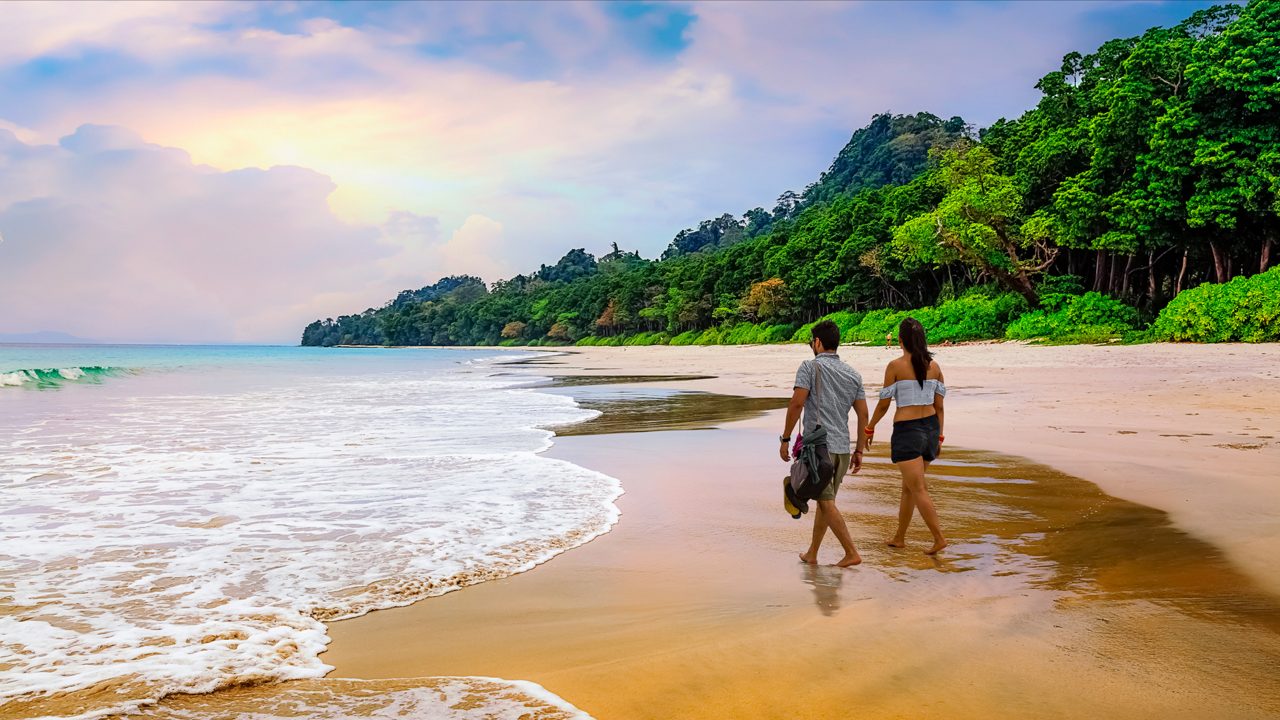
Holidays represent far more than breaks from work or school. They serve as cultural anchors, emotional reset points, and periods of connection that help people recalibrate their priorities. In the United States, holidays influence everything from economic cycles to family traditions and travel patterns. Many people use Holidays as opportunities to reconnect with loved ones, reflect on personal growth, or explore new environments. Whether someone spends their holiday traveling, resting at home, or participating in community events, the deeper meaning behind these moments plays an essential role in balancing the fast paced nature of daily life.
The Cultural Foundations of Holidays in the United States
Holidays in the US draw from a wide variety of cultural, religious, and historical influences. This diversity creates an environment where traditions evolve over time while still holding deep significance. Public holidays often commemorate historic events or honor individuals whose impact shaped the nation. Personal and seasonal holidays, on the other hand, reflect community practices, faith based rituals, and family customs.
Understanding these foundations helps travelers, families, and communities make more thoughtful decisions about how to celebrate. Many holidays introduce opportunities for storytelling, education, and cultural exchange, especially among families that welcome traditions from multiple backgrounds.
Why Holidays Influence Mental and Emotional Well Being
Holidays contribute to emotional health because they break long cycles of routine. This shift allows individuals to detach from daily pressures, restore their energy, and strengthen relationships.
Resetting the Mind and Body
Long work hours and constant digital engagement often lead to fatigue. Holidays create intentional pauses that allow:
- Slower mornings without rigid schedules
- Time for physical rest
- Outdoor activities that enhance mood
- Reflection on personal goals
These pauses help reduce burnout and restore mental clarity.
Strengthening Social Connections
Human connection is a major factor in emotional well being. Holiday gatherings support this through:
- Family reunions
- Community events
- Shared meals
- Group activities
People often remember holiday moments more vividly than regular days because emotional intensity increases during shared celebrations.
Nostalgia and Memory
Holidays often evoke memories tied to childhood, family traditions, or major life milestones. This emotional recall supports identity formation and creates continuity between generations.
The Economic Importance of Holidays
While holidays offer personal and cultural value, they also significantly influence the economy. Many industries rely on holiday seasons to drive annual revenue.
Retail and Shopping Cycles
Holidays stimulate consumer activity through:
- Gift purchases
- Travel spending
- Seasonal food and decor
- Entertainment and event bookings
Retailers often plan marketing and inventory months in advance to prepare for holiday shopping spikes.
Travel and Hospitality
Holidays shape demand for:
- Flights
- Hotels
- Cruises
- Car rentals
- Restaurants
This makes holiday planning essential for families wanting to manage budgets and avoid travel stress.
Employment and Productivity
Employers often see shifts in work patterns around holidays. Productivity fluctuates, but morale often improves when workers have adequate time off. Many businesses use holidays to evaluate staffing needs and reorganize annual schedules.
Major Types of Holidays and Their Unique Purposes
While every holiday carries meaning, they can be grouped into distinct categories that influence how people celebrate.
National and Historical Holidays
These holidays honor events that shaped the country’s identity. They often include ceremonies, parades, educational activities, and community gatherings.
Key characteristics:
- Public celebrations
- School closures
- Government recognition
- Historical reflections
These holidays help preserve collective memory and national values.
Religious and Faith Based Holidays
Religious holidays carry spiritual meaning and are often celebrated within homes, places of worship, or community centers. Many families integrate rituals such as storytelling, prayers, or symbolic meals.
Key characteristics:
- Faith traditions
- Cultural rituals
- Intergenerational learning
- Unique foods and gatherings
These holidays help people reconnect with spiritual foundations and moral teachings.
Seasonal Holidays
Seasonal holidays mark the passing of time, the changing of weather, and the cycles of nature. They often include festivals, outdoor traditions, and local customs.
Key characteristics:
- Garden and harvest activities
- Seasonal foods
- Outdoor celebrations
- Symbolic decorations
Seasonal holidays help people stay connected to natural rhythms.
Personal and Family Holidays
Birthdays, anniversaries, and personal milestones are holidays that root individuals in emotional significance. These are often the most meaningful holidays because they highlight personal relationships.
Key characteristics:
- Intimate gatherings
- Personalized activities
- Sentimental memories
- Reflection on personal milestones
These holidays strengthen family bonds and create lasting memories.
How Holidays Influence Travel Decisions
Travel during holidays can be rewarding but also challenging due to increased demand. Planning wisely ensures a smoother experience.
Choosing Destinations
Travelers choose destinations based on:
- Weather
- Accessibility
- Activities available
- Family preferences
- Budget
Popular holiday destinations may include beaches, national parks, and major cities with cultural events.
Timing the Trip
Holiday timing affects:
- Flight costs
- Accommodation availability
- Tourist crowd levels
- Local events and festivals
Travelers often book several months in advance to secure better prices and availability.
Packing for Holiday Travel
Packing depends on destination but typically includes:
- Weather appropriate clothing
- Gifts or holiday items
- Personal care essentials
- Travel documents
- Emergency medications
Creating a detailed packing list reduces stress before departure.
How Families Create Meaningful Holiday Traditions
Holiday traditions help families stay connected, especially across generations.
Food and Meals
Many traditions revolve around shared meals that reflect cultural heritage or seasonal foods. Cooking together fosters bonding and carries family recipes forward.
Activities and Games
Board games, outdoor activities, storytelling, or movie nights often become annual traditions. These rituals help families build predictable and comforting routines.
Community Involvement
Families often participate in:
- Local charity events
- Volunteer programs
- Neighborhood celebrations
- Religious gatherings
These activities strengthen community ties and teach younger generations about giving back.
Travel Focused Traditions
Some families spend holidays traveling to new places each year. This creates shared experiences, encourages exploration, and exposes children to different cultures.
How Technology Has Transformed Holiday Celebrations
Digital tools now play an important role in how people plan and experience holidays.
Virtual Gatherings
Families who live far apart use video calls to stay connected, especially during major holidays. Virtual traditions have become common among multigenerational families.
Travel Planning Tools
Apps and online platforms assist with:
- Budget tracking
- Flight searches
- Hotel booking
- Itinerary planning
These tools help travelers stay organized and avoid last minute stress.
Digital Photography and Memory Storage
Photos and videos allow families to document holiday moments and preserve traditions for future generations.
The Psychological Impact of Holiday Expectations
While holidays bring joy, they can also create pressure. Understanding this dynamic helps individuals manage stress more effectively.
Financial Pressure
Gift giving, travel, and event hosting can strain budgets. Planning in advance reduces the financial burden and helps families focus on meaningful experiences instead of material expectations.
Social Pressure
Some people feel obligated to attend multiple events. Setting boundaries helps maintain emotional balance and prevents burnout.
Loneliness
Not everyone has family or close connections during the holidays. Volunteering, joining community groups, or connecting with friends helps reduce feelings of isolation.
Frequently Asked Questions
How can I create memorable holiday traditions without overspending?
Focus on shared activities rather than expensive gifts. Cooking together, exploring local parks, or making decorations at home provide meaningful experiences without high costs.
What is the best time to book holiday travel?
Booking two to four months in advance typically secures better prices. For major holidays, booking even earlier helps avoid last minute price increases.
How can I manage holiday stress when hosting family gatherings?
Set clear expectations, delegate tasks, and simplify the menu. Preparing in stages reduces last minute pressure and helps hosts enjoy the day.
Do holidays affect work productivity?
Yes. Work performance may fluctuate before and after major holidays due to travel, time off, and shifting schedules. Clear communication helps teams stay organized.
What are some ways to celebrate holidays while traveling?
Bring small sentimental items, participate in local traditions, and schedule virtual calls with loved ones. Blending travel experiences with family traditions enhances the holiday mood.
If you want, I can create more content focused on holiday budgeting, holiday travel planning, crafting new traditions, or seasonal mental wellness strategies.


