Understanding Modern Apartments and How They Shape Urban Living
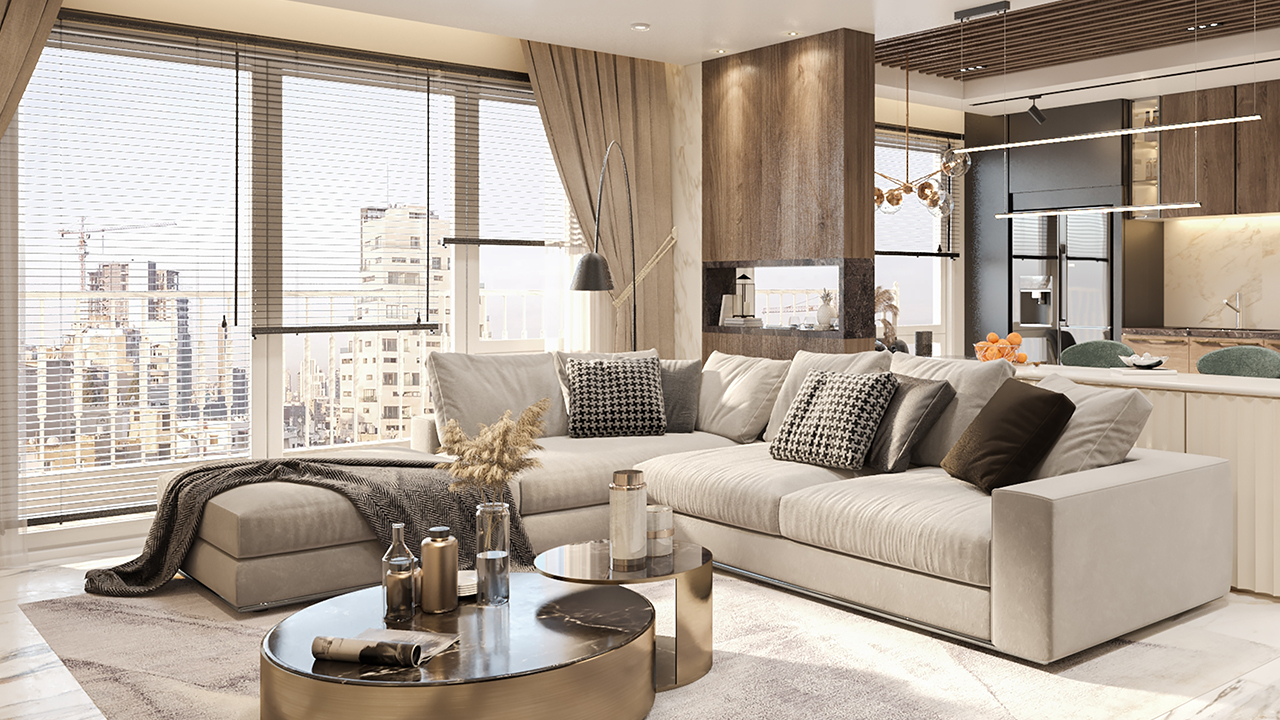
Apartments have become one of the most influential forms of housing in the United States as more people seek efficient, flexible, and community oriented living environments. In many cities, the demand for Apartments has surged due to rising property costs, changing work habits, and a shift toward minimalist lifestyles. These living spaces serve far more than basic shelter. They now represent a refined balance of practicality, comfort, and long term financial planning. Exploring the depth of modern apartment living reveals how these units continue to evolve and support the changing needs of individuals, families, and growing urban populations.
The Evolution of Apartment Living
Apartments were once viewed as temporary or transitional housing, but they have transformed into highly strategic living options. The shift is influenced by urban density, economic trends, and technological advancements. Many renters now see apartments as long term homes rather than short term stepping stones. This shift has encouraged communities to design buildings that include extensive social spaces, improved privacy designs, and lifestyle conveniences that cater to modern expectations.
Apartment layouts have also transitioned from simple floor plans to highly specialized configurations. These variations reflect a deeper understanding of how people work, rest, socialize, and manage daily responsibilities within limited square footage. Developers now integrate multi use design principles that increase functionality without compromising comfort. The rise of flexible layouts supports remote work, hobby spaces, and family living that adapts to different stages of life.
Key Factors That Influence Apartment Design
Thoughtful apartment design relies on understanding human behavior, space efficiency, and long term durability. Each factor contributes to how well a unit performs for residents.
Optimal Use of Square Footage
Space is one of the most valuable elements of apartment living. Smart design maximizes every inch. This can include:
- Built in storage that reduces clutter
- Sliding or pocket doors that free up walkable areas
- Multi functional furniture options
- Optimized kitchen layouts that prioritize workflow
This approach ensures that even smaller apartments can accommodate multiple needs without feeling restrictive.
Natural Light and Ventilation
Exposure to natural light significantly improves mood, productivity, and sleep patterns. Designers often focus on:
- Large windows with open views
- Light reflective materials
- Cross ventilation strategies
- Balcony or patio access
These features enhance comfort and support healthier daily routines.
Sound Management
Sound insulation is a critical part of quality apartment construction. Effective acoustic planning includes:
- Thickened shared walls
- Carpeted or insulated flooring
- Strategic placement of mechanical rooms
- Window treatments that reduce exterior noise
This contributes to privacy and reduces stress, especially in dense urban areas.
Understanding the Different Types of Apartments
Not all apartments are built the same. Each category offers different features, price points, and lifestyle benefits.
Studio Apartments
Studios combine the living, sleeping, and kitchen area into one open layout. Their advantages include:
- Lower rent compared to larger units
- Easy cleaning and maintenance
- Efficient design that supports simple living
They are ideal for individuals who value minimalism and do not need large spaces.
One Bedroom and Two Bedroom Units
These units offer separation between living areas and sleeping areas. They are suitable for couples, remote workers, or small families. Key benefits include:
- Increased privacy
- More storage space
- Flexibility for home offices
Two bedroom units often appeal to roommates or couples who want dedicated workspaces.
Loft Apartments
Lofts feature high ceilings and open floor plans that often include industrial elements. They appeal to creative individuals and those who enjoy spacious layouts without many walls.
Townhome Style Apartments
Some apartment communities include multilevel units that feel similar to small houses. These offer:
- Private entrances
- Additional storage
- Clear separation between living and sleeping areas
They are ideal for families who want the conveniences of apartment living with added personal space.
Luxury Apartments
Luxury buildings offer high end amenities like gyms, concierge services, rooftop lounges, controlled access, and premium finishes. They provide comfort and convenience for residents who prefer elevated living experiences.
Amenities That Add Value to Apartment Communities
Amenities significantly shape the quality of life in apartment communities. Modern amenities are designed to support daily routines, social interaction, and personal well being.
Fitness and Wellness Facilities
On site gyms, yoga studios, and wellness spaces have become essential. These amenities encourage healthy habits without requiring long commutes to fitness centers.
Community Spaces
Strong communities often include:
- Outdoor courtyards
- Rooftop lounges
- Game rooms
- Co working areas
These spaces encourage social interaction and help residents build meaningful connections.
Pet Friendly Features
Many apartment buildings now include pet washing stations, dog parks, and walking trails. These features acknowledge that pets are integral members of many households.
Security and Access Technology
Safety is a top priority for renters. Modern buildings incorporate:
- Secure entry systems
- Surveillance in common areas
- Smart locks
- Resident only parking
These measures create a safe living environment and help residents feel confident at home.
Financial Considerations When Choosing an Apartment
Selecting an apartment involves careful financial planning. Beyond monthly rent, several costs influence overall affordability.
Rent Structure and Lease Terms
Lease duration affects pricing. Longer leases often provide lower monthly costs while short term leases may offer flexibility at higher rates. Fully understanding renewal policies helps renters plan long term budgets.
Utility Costs
Utilities may be included or billed separately. These can range from electricity and water to internet and trash services. Knowing these details ahead of time prevents unexpected expenses.
Deposits and Fees
Standard fees may include:
- Security deposits
- Application fees
- Parking fees
- Pet deposits
Understanding these costs allows renters to compare units accurately.
Cost of Commuting
Location impacts transportation expenses. An apartment near workplaces, schools, or essential services may reduce commuting time and fuel costs.
Lifestyle Benefits of Apartment Living
Apartment communities offer numerous lifestyle advantages that support both convenience and personal growth.
Reduced Maintenance Responsibilities
Apartment residents enjoy freedom from major home repairs. Maintenance teams handle issues like plumbing, HVAC, or landscaping. This reduces stress and supports simpler living.
Built In Social Networks
Shared amenities and common areas create social opportunities. Residents can meet neighbors with similar interests, participate in community events, or simply enjoy a sense of belonging.
Greater Mobility
Renting provides flexibility to move when career goals, personal needs, or lifestyle interests change. This mobility is especially valuable in fast paced urban environments.
Sustainable Living Opportunities
Smaller spaces typically use less energy. Many communities also incorporate eco friendly features such as:
- Recycling programs
- Energy efficient lighting
- Water saving fixtures
This reduces environmental impact and supports responsible living.
Practical Tips for Evaluating an Apartment Before Moving In
Choosing the right apartment involves thoughtful assessment and careful observation.
Inspect Layout and Space
Check if the layout supports daily habits. Confirm that furniture will fit, storage meets needs, and natural light covers key areas.
Test Appliances and Fixtures
Turn on faucets, test outlets, check kitchen appliances, and inspect heating or cooling units. Identifying issues early prevents future frustrations.
Research the Neighborhood
Evaluate traffic patterns, noise levels, grocery stores, parks, and public transportation. The surrounding area should support your lifestyle.
Assess Building Management Quality
Strong management teams respond quickly to maintenance requests, keep common areas clean, and enforce community rules.
Review Lease Documents Thoroughly
Reading the lease ensures you understand expectations regarding visitors, pets, rent increases, maintenance responsibilities, and early termination.
Frequently Asked Questions
How far in advance should I start searching for an apartment?
Most people begin searching thirty to sixty days before their preferred move in date. This timing allows a good selection of available units without rushing decisions.
What should I bring when touring an apartment?
Bring a list of questions, a measuring tape, a phone for photos, and information needed for applications. These tools help you compare units accurately.
Are apartments a good option for families with children?
Yes. Many communities offer larger floor plans, playgrounds, and child friendly amenities. Families often enjoy the convenience and safety features that apartment living provides.
How can I reduce noise in my apartment?
Area rugs, fabric wall art, curtains, and strategic furniture placement can soften sound. Adding plants also helps dampen noise in open spaces.
What factors help an apartment hold long term value?
Strong location, high quality construction, consistent maintenance, and stable community management contribute to long lasting value.
If you want, I can create additional content tailored to specific apartment types, investment considerations, or comparisons between urban and suburban apartment living.


