The Transformative Power of Travel and How It Shapes Modern Life
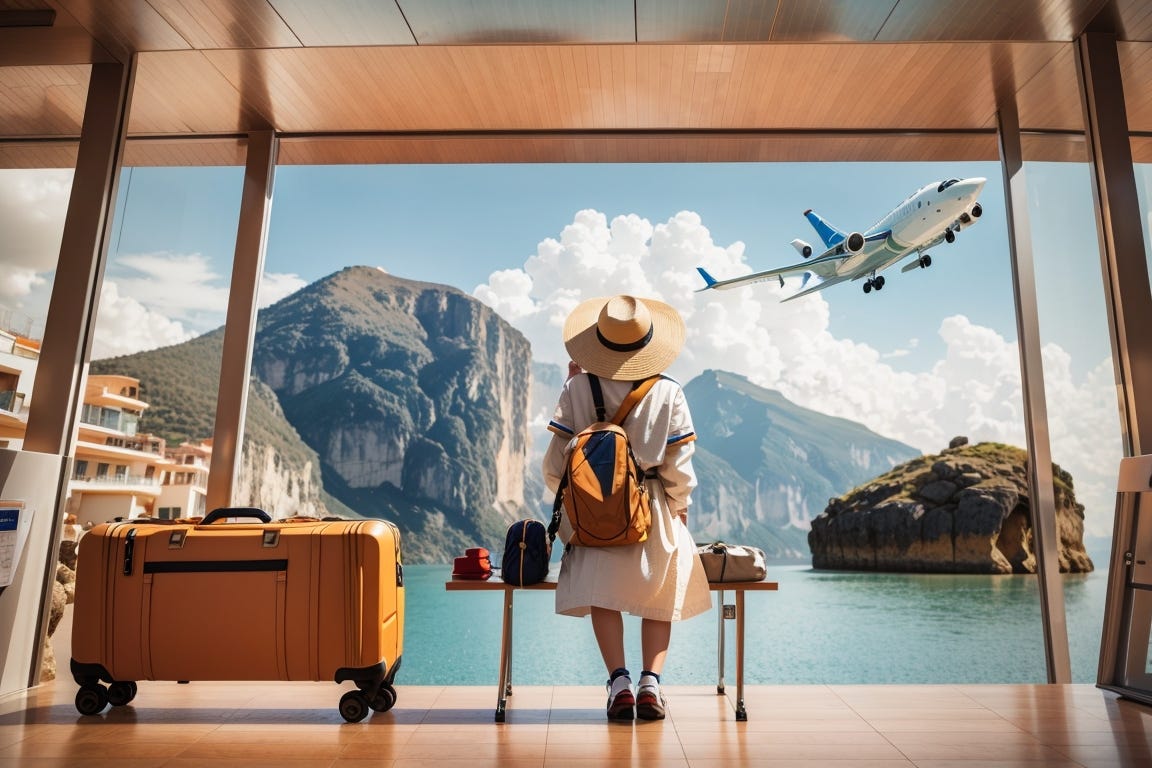
Travel has become one of the most meaningful ways people learn, grow, and connect with the world. In the United States, individuals increasingly see travel not just as recreation, but as an investment in personal development, cultural understanding, and long term well being. Whether someone travels for work, education, leisure, or family connection, each journey introduces new perspectives that influence how they understand themselves and others. Many people use travel as a tool for exploration, creativity, and mental renewal, and these impacts continue long after the trip ends.
Why Travel Plays a Central Role in Personal Growth
Travel allows individuals to step outside familiar routines. This shift opens the door for personal breakthroughs, emotional clarity, and increased independence. In a globalized world where people engage with diverse backgrounds and viewpoints, travel provides a foundation for stronger empathy and more informed perspectives.
Stepping Outside Comfort Zones
Travel forces individuals to navigate unfamiliar landscapes, languages, foods, and customs. This encourages growth by:
- Building resilience
- Increasing adaptability
- Boosting confidence
- Improving problem solving skills
These benefits help travelers navigate daily life more effectively.
Gaining Exposure to Different Cultures
Every destination has its own identity shaped by history, environment, and community values. Exposure to cultural diversity helps travelers:
- Understand global perspectives
- Appreciate differences and similarities
- Recognize cultural nuance
- Develop emotional intelligence
Experiencing new cultures firsthand often changes how people relate to others at home.
Strengthening Self Awareness
Travel provides quiet moments that allow individuals to reflect on goals, priorities, and personal identity. Away from familiar responsibilities, people are more open to:
- Reevaluating career paths
- Understanding relationship dynamics
- Clarifying future goals
- Developing new interests
These moments of clarity help travelers return home with renewed focus.
The Economic and Social Influence of Travel
Travel shapes not only personal lives but also cities, communities, and global relationships.
The Travel Economy
Travel boosts local and national economies by supporting:
- Hotels
- Restaurants
- Transportation services
- Guided experiences
- Retail and marketplaces
This economic flow creates jobs, funds infrastructure, and supports sustainable development.
Community Growth
When travelers support local businesses, artisans, and guides, they strengthen community structures. Responsible travel encourages:
- Cultural preservation
- Environmental stewardship
- Economic opportunities for residents
- Respectful interactions between cultures
These positive outcomes help communities maintain identity while welcoming visitors.
Social Connection
Travel often leads to new friendships that cross borders and backgrounds. Shared experiences create:
- Long term memories
- Expanded worldviews
- Trust across cultures
- Stronger global ties
These relationships enhance personal well being and encourage global cooperation.
Different Types of Travel and Their Unique Benefits
Not every journey serves the same purpose. Understanding different travel styles helps individuals choose experiences that align with their goals.
Leisure Travel
Leisure travel focuses on relaxation and enjoyment. Key characteristics include:
- Beach vacations
- City escapes
- Spa retreats
- Scenic road trips
Leisure trips allow individuals to recharge physically and mentally.
Adventure Travel
Adventure travel challenges comfort zones through physical activity. Examples include:
- Hiking mountain ranges
- Whitewater rafting
- Rock climbing
- Snorkeling or diving
These trips build confidence, strength, and courage.
Cultural Travel
Cultural travel dives into history, tradition, and local lifestyle. Experiences often include:
- Museum visits
- Food tours
- Cultural festivals
- Traditional craft workshops
Cultural travel enriches education and broadens perspective.
Work Related Travel
Professional travel introduces new opportunities for collaboration. This includes:
- Conferences
- Business meetings
- Team retreats
Work travel builds networks and fosters career growth.
Educational Travel
Educational travel supports learning through:
- Study abroad programs
- Research expeditions
- Historical tours
This type of travel enhances academic development and global awareness.
Wellness Travel
Wellness travel focuses on mental, physical, and emotional healing. Common options include:
- Meditation retreats
- Yoga escapes
- Nature based healing trips
- Spa focused stays
These journeys rejuvenate the mind and support long term well being.
The Planning Stages of Travel and Why They Matter
Successful travel begins with thoughtful planning. Each step influences safety, enjoyment, and overall satisfaction.
Researching Destinations
A strong travel plan includes detailed research on:
- Local culture
- Weather patterns
- Seasonal events
- Costs and currency
- Health and safety considerations
Research prevents surprises and enhances the experience.
Setting a Realistic Budget
Budgeting helps travelers manage expenses across:
- Flights
- Lodging
- Food
- Activities
- Transportation
- Travel insurance
Creating a flexible budget allows room for unexpected opportunities.
Choosing Accommodation
Accommodations shape comfort and convenience. Travelers consider:
- Location
- Safety
- Amenities
- Price
- Proximity to attractions
Different lodging styles suit different travel goals.
Crafting an Itinerary
A well balanced itinerary includes:
- Structured activities
- Exploration time
- Rest periods
- Cultural experiences
Avoiding overly packed schedules reduces travel fatigue.
Preparing Necessary Documents
Travelers must prepare:
- Passports
- Visas
- Identification
- Insurance documents
- Vaccination records
Organizing documents early prevents last minute issues.
How Technology Has Reinvented Travel
Technology influences nearly every part of modern travel.
Online Booking Tools
Digital tools allow travelers to compare:
- Flight options
- Hotels
- Car rentals
- Activities
This transparency leads to better decision making.
Navigation and Translation Apps
Smartphones now provide:
- Real time maps
- Public transit guidance
- Instant translation
- Currency conversion
These tools make unfamiliar destinations easier to navigate.
Social Platforms
Travelers use digital platforms to:
- Find recommendations
- Share experiences
- Connect with communities
- Discover hidden gems
Social connections enhance travel planning and cultural insights.
Environmental Responsibility in Travel
As travel expands, environmental responsibility becomes increasingly important.
Supporting Sustainability
Travelers can reduce their impact by:
- Choosing eco friendly accommodations
- Supporting local food producers
- Reducing waste
- Respecting wildlife
Responsible choices preserve destinations for future generations.
Carbon Footprint Awareness
Travelers can minimize impact by:
- Selecting efficient flights
- Using public transportation
- Walking or biking locally
Small changes create long term positive effects.
Respect for Local Ecosystems
Nature based destinations often require:
- Staying on designated paths
- Avoiding single use plastics
- Following conservation guidelines
Environmental respect ensures natural spaces remain healthy.
How Travel Strengthens Family and Group Dynamics
Travel brings people closer by fostering shared experiences.
Creating Lasting Memories
Family travel builds memories that influence:
- Childhood development
- Family cohesion
- Communication
These shared moments create stronger relationships.
Team Bonding
Group travel strengthens trust and cooperation. Whether among friends or coworkers, traveling together helps:
- Improve teamwork
- Strengthen interpersonal skills
- Build long term connections
Shared experiences reveal new sides of people.
Reconnecting Through Travel
Busy schedules often weaken personal relationships. Travel helps people reconnect through:
- Quality time
- Shared conversations
- Emotional bonding
These trips revitalize relationships.
The Emotional and Psychological Benefits of Travel
Travel has numerous emotional benefits that contribute to long term mental well being.
Reducing Stress
New environments shift the mind away from daily concerns. Activities like hiking, beach walking, or museum visits create relaxation.
Increasing Creativity
Exposure to new cultures, landscapes, and art inspires creative thinking. Travelers often return with new ideas, strategies, or perspectives.
Enhancing Confidence
Successfully navigating unfamiliar settings builds self assurance. Travelers learn to trust themselves, adapt quickly, and remain calm in changing situations.
Practical Tips for Safe and Comfortable Travel
Traveling smart ensures a smoother experience.
Pack Strategically
A well organized suitcase includes:
- Climate appropriate clothing
- Medication
- Travel size toiletries
- Power adapters
- Comfortable shoes
Packing light reduces stress and increases mobility.
Stay Aware of Surroundings
Safety awareness includes:
- Avoiding poorly lit areas
- Keeping valuables secure
- Using trustworthy transportation
- Staying informed about local advisories
Preparedness improves safety.
Maintain Health
Healthy travel habits include:
- Staying hydrated
- Eating balanced meals
- Getting proper sleep
- Taking breaks when needed
These habits support energy and enjoyment.
Frequently Asked Questions
How can I travel more often without overspending?
Travelers can save by booking early, traveling during off season periods, choosing budget friendly lodging, and prioritizing destinations with lower daily costs. Flexibility with dates also leads to significant savings.
What is the best way to choose a travel destination?
Focus on personal interests, climate preferences, budget, cultural interests, and travel goals. Researching local events and seasonal conditions helps narrow down the options.
How do I stay healthy during long flights or road trips?
Move regularly, drink plenty of water, avoid heavy meals before travel, and stretch legs when possible. Using travel pillows and maintaining good posture helps reduce discomfort.
Is solo travel safe?
Yes, with proper planning. Choosing safe accommodations, researching neighborhoods, staying aware of surroundings, and keeping emergency contacts accessible increases confidence and safety.
How can travel help with career development?
Travel enhances communication, problem solving, adaptability, cultural understanding, and networking. These skills are valuable across multiple industries.
If you would like, I can create additional content focused on sustainable travel, global cultural experiences, wellness retreats, or tips for planning multi country trips.