A Complete Guide to Planning a Cruise Trip With Confidence
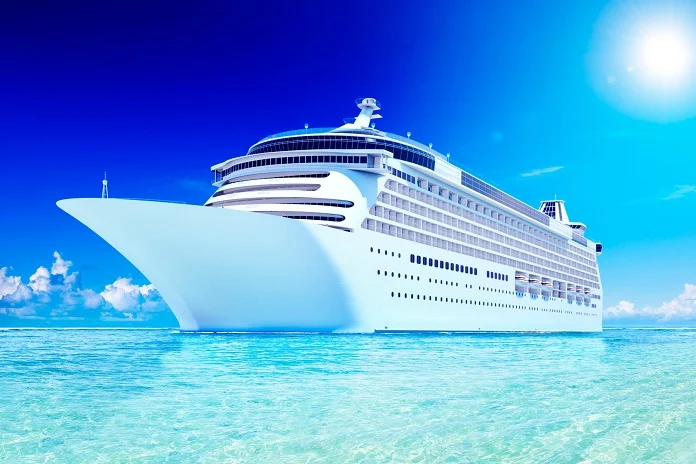
A Cruise Trip offers a distinctive blend of travel, relaxation, and exploration that few other vacation styles can match. Within the first moments of planning, travelers realize that a cruise is not just a means of transportation but a floating destination with its own culture, schedule, and opportunities for adventure. Understanding how to prepare, select the right itinerary, and navigate onboard experiences makes the difference between an average vacation and an exceptional one. A well planned cruise supports comfort, efficient budgeting, personalized activities, and a deeper connection to the places visited along the way.
Why Cruise Travel Has Become a Major Global Trend
Cruise vacations have grown rapidly as travelers seek experiences that combine convenience with variety. Instead of coordinating flights, hotels, activities, and meals separately, a cruise integrates these essentials into a single journey. This structure appeals to families, couples, solo travelers, and retirees who appreciate simplicity without sacrificing quality. Modern ships now feature advanced technology, immersive entertainment, gourmet dining options, and wellness facilities that rival high end resorts.
Cruise lines have also refined their itineraries to offer culturally rich and geographically diverse destinations. This means travelers can wake up in historic cities, tropical islands, or remote ports without the stress of multiple travel transfers. As sustainability and responsible tourism continue to shape travel decisions, cruise companies increasingly invest in cleaner technologies and curated shore excursions that support local communities.
Choosing the Right Type of Cruise for Your Travel Goals
Selecting the ideal cruise begins with understanding the different categories available. Each type of Cruise Trip supports unique interests, budgets, and travel styles.
Ocean Cruises
Ocean cruises travel across large bodies of water and stop at a wide range of ports. They are the most common type and provide:
- Multiple dining venues
- Pools and recreation areas
- Broadway style entertainment
- Family friendly activities
- Diverse itineraries ranging from short getaways to world cruises
These cruises are ideal for travelers who want a balanced mix of relaxation and excitement.
River Cruises
River cruises offer a more intimate experience with smaller ships that navigate inland waterways. They provide closer access to historic towns and cultural landmarks. Key features include:
- Slower travel pace
- Panoramic views of river landscapes
- Guided excursions
- Locally inspired cuisine
River cruises appeal particularly to culture focused travelers who prefer quieter environments.
Expedition Cruises
Expedition cruises target adventurous travelers who want to explore remote destinations. These journeys often include wildlife viewing, scientific lectures, and active excursions like kayaking or hiking. They are ideal for individuals seeking meaningful experiences in nature rich environments.
Luxury Cruises
Luxury ships prioritize high end service, gourmet dining, spacious accommodations, and curated itineraries. Travelers enjoy:
- Personalized attention
- Inclusive pricing
- Exclusive shore excursions
- Smaller crowds
Luxury options suit those who want elevated comfort throughout the trip.
Understanding Cruise Itineraries and Travel Seasons
Timing plays a significant role in cost, comfort, and weather conditions during a Cruise Trip. Each region has its own optimal travel season.
Caribbean Cruises
Best time: December to April
This season provides warm temperatures and minimal rain. Off peak months between May and November offer lower pricing but come with higher humidity and possible storms.
Mediterranean Cruises
Best time: April to June and September to October
These months offer pleasant weather, thinner crowds, and easier navigation through popular tourist cities.
Alaska Cruises
Best time: June to August
This period offers extended daylight, wildlife viewing opportunities, and comfortable temperatures.
Northern Europe Cruises
Best time: May to September
These months provide clear views of fjords, cultural festivals, and comfortable sailing conditions.
Asia and Pacific Cruises
Best time varies by region but often centers around dry seasons like November to February in Southeast Asia.
Understanding these patterns helps travelers secure ideal conditions while avoiding seasonal challenges.
Selecting the Best Cabin Type for Comfort and Convenience
Choosing the right cabin greatly influences the onboard experience. Each cabin category caters to different priorities.
Interior Cabins
These cabins do not have windows and provide the most affordable pricing. They suit budget travelers who plan to spend most of their time exploring the ship and destinations.
Oceanview Cabins
Oceanview rooms include windows or portholes. They offer natural light and scenic views without substantially higher pricing.
Balcony Cabins
Balcony cabins provide private outdoor space where guests can relax, enjoy sunsets, or watch port arrivals. They are popular among couples and guests seeking peaceful retreats.
Suites
Suites offer expanded living areas, premium amenities, and additional services such as concierge support. They suit travelers who want more space and personalized comfort.
What to Consider When Reviewing a Cruise Ship Before Booking
Every ship has unique characteristics that can impact your experience.
Ship Size
Larger ships provide:
- More entertainment options
- More dining venues
- Larger pools and recreation areas
Smaller ships provide:
- Quieter environments
- Personalized service
- Access to smaller ports
Crowd Levels
Ships with high passenger capacity may feel lively but can create congestion at buffets, pools, or embarkation areas. Travelers seeking peaceful experiences may prefer medium or small vessels.
Age of the Ship
While older ships can still offer excellent service, newly renovated ships may include:
- Updated cabins
- Modern entertainment
- Advanced stabilization technology
- Contemporary design features
Onboard Amenities
Research amenities such as:
- Spa services
- Fitness centers
- Wi Fi quality
- Specialty dining
- Waterparks or adult only lounges
Amenities play a major role in satisfaction during sea days.
Navigating Boarding Day With Ease
Embarkation day sets the tone for the entire Cruise Trip. A smooth start increases relaxation and prevents unnecessary stress.
Arrive Early
Arriving ahead of schedule helps avoid long lines and gives travelers time to explore the ship before crowds build.
Prepare Documents in Advance
Travelers should keep passports, boarding passes, health documents, and luggage tags easily accessible.
Explore the Ship Before Departure
Familiarizing yourself with dining areas, emergency exits, entertainment schedules, and deck layouts saves time later in the trip.
Make Early Reservations
Some ships require reservations for dining, shows, or activities. Securing these early ensures availability.
Making the Most of Sea Days
Sea days allow travelers to enjoy the ship without rushing to the next destination.
Relaxation Activities
These may include:
- Spa treatments
- Reading on the deck
- Swimming
- Fitness classes
Productive Activities
Many ships offer classes such as:
- Cooking demonstrations
- Art workshops
- Language lessons
- Photography seminars
Participating in these activities enhances the trip’s educational and cultural value.
Entertainment
Evening entertainment often includes:
- Live music
- Comedy performances
- Theatrical productions
- Game shows
These events bring travelers together and provide high energy fun.
Maximizing Value During Onshore Excursions
Shore excursions shape the cultural richness of a cruise.
Choosing the Right Excursion
Consider:
- Activity difficulty level
- Travel distance from the port
- Cultural significance
- Time needed to return to the ship
Independent Exploration
Some travelers explore ports independently, which offers:
- Lower costs
- Flexible schedules
- Opportunities for spontaneous discovery
Cultural Awareness
Respecting local customs and supporting local businesses makes excursions more meaningful and beneficial to communities.
Packing Strategically for a Cruise Trip
Packing effectively prevents common travel challenges.
Clothing Essentials
Depending on the itinerary, include:
- Comfortable walking shoes
- Swimwear
- Formal or semi formal evening attire
- Layered clothing for cooler climates
Practical Gear
Useful items include:
- Sunscreen
- Portable chargers
- Reusable water bottles
- Travel safe toiletries
Important Documents
Keep passports, identification, and health information safely stored in your carry on bag.
Managing Health and Safety During the Cruise
Health and safety play key roles in ensuring a smooth trip.
Seasickness Management
Travelers prone to motion sickness benefit from:
- Medication
- Acupressure bands
- Cabins located mid ship
Hygiene Practices
Regular hand washing and using sanitizing stations reduce illness risk.
Emergency Procedures
Passengers should attend mandatory safety briefings and review ship maps to understand evacuation points.
Frequently Asked Questions
How early should I book a cruise to get the best price?
Booking six to twelve months in advance is often ideal. It provides the best selection of cabins and access to promotional pricing.
Can I bring my own food or drinks on board?
Many ships allow limited quantities of personal snacks or non alcoholic beverages. Travelers should review restrictions before packing.
What happens if I miss the ship at a port?
Passengers must arrange their own transportation to the next port. This makes it important to monitor time closely during independent excursions.
Are cruise ships suitable for people with mobility challenges?
Yes. Many ships include accessible cabins, ramps, elevators, and modified excursion options. Guests should notify the cruise provider in advance.
How can I keep my belongings safe in my cabin?
Use the room safe for valuables and avoid leaving personal items unattended in public areas. Staff are trained, but traveler awareness is still essential.
If you’d like, I can create additional guides on choosing cruise itineraries, packing lists tailored to specific regions, or comparisons between different types of cruise travel.


